
What Is Gestational Diabetes?
Gestational diabetes is a type of diabetes that develops during pregnancy. It happens when your body cannot make enough insulin to control blood sugar levels. As a result, blood sugar can get too high. This condition usually appears in the second half of pregnancy. However, it often goes away after the baby is born. Even so, it is important to manage it well for the health of both mother and baby.
Risks of Gestational Diabetes During Pregnancy
Gestational diabetes risks can affect both the mother and the baby. Because of this, early detection and care are key. Some women are more likely to develop gestational diabetes than others. For example, certain health and lifestyle factors can raise the risk.
Potential health risks for the mother include high blood pressure and a higher chance of needing a C-section. For the baby, risks include high birth weight, early birth, and low blood sugar after birth. In rare cases, there can be breathing problems for the baby.
How Gestational Diabetes Is Diagnosed and Monitored
Doctors use special tests to check for gestational diabetes. Usually, screening takes place between 24 and 28 weeks of pregnancy. Yet, some women may need testing earlier if they have higher risk factors. The most common test is the glucose challenge test. If this test shows high blood sugar, a second test called the oral glucose tolerance test is done.
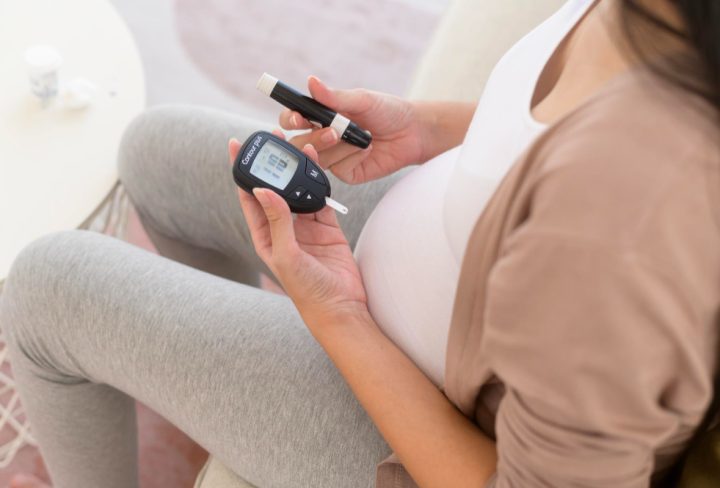
After diagnosis, regular monitoring is vital. For example, you may need to check your blood sugar at home several times a day. Your doctor will also schedule more prenatal visits to track your health and your baby’s growth.
Pregnancy Care and Management for Gestational Diabetes
Once diagnosed, pregnancy care for gestational diabetes focuses on keeping blood sugar in a safe range. This helps lower risks for both mother and baby. Your care team will guide you through each step. In many cases, lifestyle changes are enough. However, some women may need medicine.
Sometimes, doctors may recommend extra ultrasounds to check the baby’s growth. After delivery, blood sugar usually returns to normal. However, follow-up testing is important to check for type 2 diabetes later on.
Tips for Healthy Lifestyle and Prevention
Even though not all cases can be prevented, healthy habits can lower your risk. For instance, starting pregnancy at a healthy weight can help. Making small changes before and during pregnancy can make a big difference.
Because gestational diabetes can raise the risk of type 2 diabetes later, it is important to keep healthy habits even after pregnancy. Regular check-ups and blood sugar tests can help you stay healthy in the long run.